
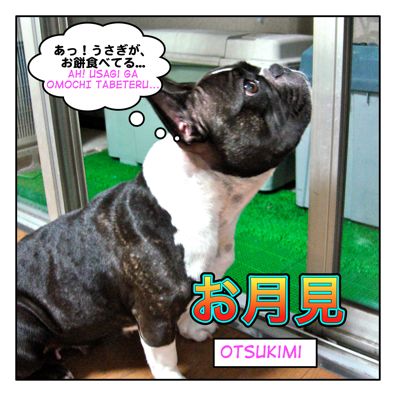
「あ!うさぎがお餅食べてる!」
=Ah! Usagi ga omochi tabeteru!
=Ah! A rabbit is wating mochi (pounded rice cake)!
Today’s lesson is about 月見 = tsukimi (or お月見 = otsukimi)
•月 = tsuki = the moon
•見 = mi = viewing
 月見 = tsukimi = moon viewing (gazing)
In the old lunar calendar, the night of the 15th of the month is called
⬇️
十五夜 = juugoya
and it has been believed that the full moon on 8月15日 ( = hachigatsu juugonichi =August 15th ) in the old lunar
calendar is the most beautiful full moon in a year. And this year the 十五夜=juugoya is today, September 10th, 2022.
満月 = mangetsu =the full moon we see tonight is also called
中秋の名月 = chuushuu no meigetsu = mid-autumn moon
Traditionally people had little parties, setting a little table with 月見だんご = tsukimi dango = sweets dumplings and
すすき = susuki (Japanese pampas grass)
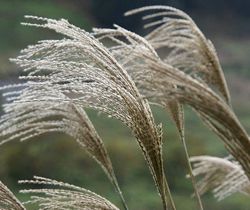
and enjoyed the moon while they drank sake.
Unfortunately this tradition is not that popular these days, but we still enjoy viewing the moon.
Other moon related words:
•三日月 = mikazuki = crescent moon
•新月 = shingetsu = new moon
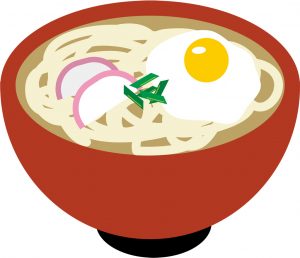
•月見うどん= tsukimi udon = Japanese noodle with raw egg.
(Because the eggyork looks like the full moon.)
:u:
月見バーガー = tsukimi baagaa = Hamburger with fried egg.

And do you know what we see in the moon?
兎(うさぎ) が餅をついている = Usagi ga mochi wo tsuite iru
= Rabbits pounding mochi (pounded rice cakes).
There is a children song,
うさぎ、うさぎ、何みてはねる
= Usagi usagi, nani mite haneru
十五夜、お月様、みてはねる。
=Juugoya otsukisama mite haneru.
= Rabbit, Rabbit, what are you looking when you leap?
= I’m leaping viewing the full moon of the 15th night.
Here are some sweets that I got for 月見 = tsukimi = moon viewing
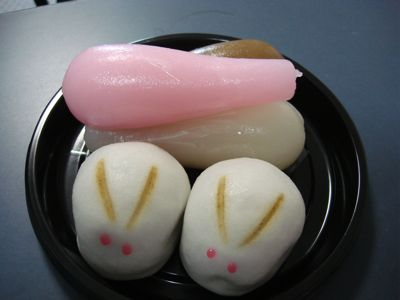
Aren’t they cute?
 マギー先生より = Maggie Sensei yori = From Maggie-Sensei
みんなも、今日は月を眺めて楽しんでね。
=Minna mo kyou wa tsuki wo nagamete tanoshin dene.
Please enjoy viewing the moon tonight!
何が見えるかな? = Nani ga mieru ka na? = I wonder what you can see…
***
Will you be my Patron?
I appreciate your support! サポートありがとう!
15 Comments
お月見 の 時 は 団子 を たべます。
During moon gazing, I eat dumpling
I eat dumpling while gazing the moon
Sensei is my Japanese correct?
Thanks
時は means “when”
If you want to say “while”, you can say お月見をしながら団子を食べます。 or 月を見ながら団子を食べます。」
眺めるって、Staringの意味もあるかな?
わ、おやつはすっごーーくかわいい~!食べたくない!ww見たいだけ!超可愛い!!!
アメリカには、お月見の事をしないよね。。。やっぱり、日本人は自然が大すきよね~!^~^日本人の心には人間は自然の一部だという考えるよね?その印象になってきた^^
温泉卵だね!美味しいよ~!
先生、いつも有り難う1
@Aki
staringはひとつのスポットをじ〜っと見つめることで眺めるは全体(ぜんたい)や周(まわ)りも見ること。
温泉卵食べたことある?
(わあ〜、難しい文章書いたね。ちょっとだけ直すね。
お月見の事をしない→お月見をしない。
日本人の心には→心→感じる 頭→考える の動詞を使うよ。
その印象になってきた→そういう印象を持ったよ。)
そうね、日本人は昔からその季節の自然を大切にした行事(ぎょうじ)をしますね。Akiも今日は月を眺めてね。
うん!食べた事ある!ラーメンを作ってる時はいつも、最後で、卵をあげる(笑)美味しい~!
うん、眺めてみるね!
先生、訂正ありがとう!
また、間違いを見たら訂正してね!
私には、すっごーーく良い練習だよ!
@Aki
ラーメンに温泉卵を入れるの?すごい!
コメントとTwitterではいつでも添削(てんさく)するよ!がんばってね!ずいぶん長い文章が書ける様になったと感心(かんしん)!! !happyface!
てへ まだもっと頑張らなくちゃね!
ねえ、今、月を見てるよ!Big yellow dotみたい。。。ウサギがいない!(笑)けど、すっごく明るいの^^綺麗!
@Aki
日本とアメリカはこれだけ離(はな)れているけれども同(おな)じ月を見れるのって素敵(すてき)!!
Does japanese see rabbit shadow on moon? Im not familiar with this and my question might sound weird as well. Hehe. The animal they see on moon is not related to the year is it? Like dragon cow tiger and so on…
Wonderful ..thanks a lot for posting a good informitive blog
@tsanko
Thank you for visiting,too!
残念ですけど、あのときここでは雨でした。
月の美しさは見えませんでした。そして、あのとき、病気もありました
泣きそうでした..
@LadySapphire
お月様見えなかったのですね。残念。かわいそうにそれに病気だったんですね。
(A little correction; 病気もありました→病気にもかかっていました。)
十五夜 > similar to the Mid-Autumn Festival with China!
Yet they have different stories behind~
今外には満月を掛ける、先生、いい夢を!
(Am I correct????)
@saki
Hi, Saki!!
十五夜 is originally from China! Do you eat 月餅?
(満月を掛ける→満月が出ています。満月が見えます。)
I enjoyed the moon last night,too.