
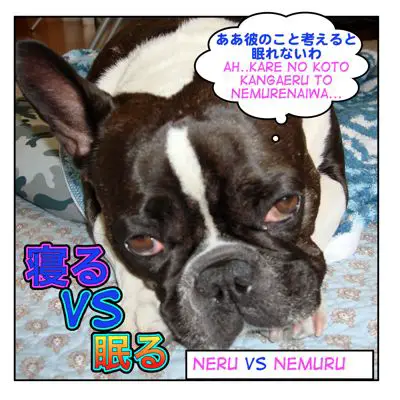
「ああ彼のことを考えると眠れないわ。」
=Ah..kare no koto wo kangaeru to nemurenai wa.
= Ah…I can’t sleep if I think of him.
Hi everyone! Today’s lesson is about,
 寝る = ねる ( = neru) VS 眠る = ねむる ( = nemuru)
When you look them up in the dictionary, you may find they both mean “to sleep”.
Yes, sometimes they can be interchangeable but while 寝る = ねる ( = neru) often means “to go to bed” ,”to intend to sleep consciously”,
眠る= ねむる ( = nemuru) means simply “to fall a sleep or “to fall asleep because you can’t help it or control it”
Here are more explanations and details:
:u:
⭐️ 寝る ( = ねる = neru)
* The movement of your body and mind temporarily slow down
* When you intend to sleep consciously
→Action of going to bed
→Action of going to sleep
→To lay down and sleep
* To be in a subconscious condition with your eyes closed.
The counterpart verb is:
 起きる = おきる= okiru = to get up
⭐️ 眠る ( = ねむる= nemuru)
* The movement of your body and mind temporarily slow down
* to fall asleep
* to imply deep sleep
* It refers to the condition of your body while it is sleeping — you don’t necessary need to lay down to fall asleep. (Ex. sitting down, standing up, etc.)
The counterpart verb is:
目を覚ます= めをさます = me wo samasu = to be awake
************************************************
★In some sentences, you will see both 寝る( = ねる = neru) and 眠る ( = ねむる= nemuru) :
You see the definition, the movement of you body and mind gets decreased tentatively for both 寝る( =ねる= neru) & 眠る ( = ねむる = nemuru)
Ex. 「ああ、よく寝た。or よく眠れた。」
= ああ、よくねた。 or よくねむれた。
= Aa, yoku neta. or nemureta.
= Haaa I slept well (for a long time)! or I was able to sleep very well.
While よく寝た ( = よくねた = yokuneta) implies the length of your sleep, よく眠れた ( = よくねむれた = yoku nemureta) implies the quality of sleep)
When we use with adverbs such as ぐっすり ( = gussuri ) =deeply, etc., there is not much difference, still I would say 眠る( = nemuru) to give the impression of deeper sleep.
Ex. 「マギーぐっすり寝てるね。or ぐっすり眠ってるね。」
= マギーぐっすりねてるね or ぐっすりねむってるね。
= Maggie gussuri neterune. or Gussuri nemutteiru ne.
= Maggie is sleeping soundly.
Grammar Note :
寝てる ( = neteru) casual form ← 寝ている ( =neteiru)
眠ってる ( = nemutteru) casual form ← 眠っている ( = nemutteiru)
Ex. 私はどこでも寝れる。 or 眠れる
=Watashi wa dokodemo nereru. or nemureru
= I can sleep anywhere. or fall asleep everywhere.
寝れる( = nereru) means “to lie down anywhere and sleep” 眠れる ( = nemureru) means “to fall asleep anywhere”
************************************************
🔹 寝る = ねる = neru
1) To go to bed, to go sleep
Ex. 「もう寝なさい!」
= Mou nenasai!
= Go to bed now! / Go to sleep now!
Ex. 明日早いからもうそろそろ寝たら?
= Ashita hayai kara mou sorosoro netara?
= You have an early day tomorrow. Why don’t you go to bed already?
Ex. もうこんな時間だから寝ます。
= Mou konna jikan dakara nemasu.
= It is already late so I will go to bed now.
Ex. いつも何時に寝ますか?
= Itsumo nanji ni nemasu ka?
= What time do you usually go to bed/sleep?
Ex. 寝る前にはあまり食べない方がいい。
= Neru mae ni wa amari tabenai hou ga ii.
= We shouldn’t eat too much before we go to bed.
2) Action of sleeping (to lie down and sleep)
Ex. ちょっとだけ寝てきます。
= Chotto dake nete kimasu.
= I will take a catnap.
Ex. 最近あまり寝ていない。
= Saikin amari nete inai.
= I haven’t been sleeping enough lately.
Ex. 今夜、寝る場所がない。
= Konya neru basho ga nai.
= There is no place to stay tonight.
Ex. 皆が寝ている間に勉強する
= Mina ga neteiru aida ni benkyou suru.
= to study while everybody is sleeping
Ex. 最近、寝てもすぐ目が覚める
= Saikin nete mo sugu mega sameru
= Lately when I go to sleep, I wake up easily.
Ex.寝ると疲れがとれる
= Neru to tsukare ga toreru
= If you get enough sleep, you’ll be able to get rid of the tired feeling.
3) Proverbs with 寝る ( = neru)
Ex. 寝た子を起こすな
= Neta ko wo okosu na.
= Let sleeping dogs lie.
Ex. 寝る子は育つ
= Neru ko wa sodatsu
= Sleep brings up a child well
Ex. 食べてすぐ寝ると(or 横になると)牛になる。
= Tabete sugu neru to ushi ni naru
= You will become a cow if you sleep (or lay down) right after you eat.
(It is not good for digestion to sleep (or lay down) right after you eat.) [<– This is a common Japanese belief.]
*寝だめはできない
= Nedame wa dekinai.
= You can’t store up sleep.
4) Other expressions with 寝 :
* 寝入る
= neiru
= drop asleep
Ex. 子供を寝かしつける
= Kodomo wo nekashi tsukeru
= to get a child to sleep
*昼寝(を)する
= hirune (wo ) suru
= to take a nap
Ex. 寝方が悪いから肩が凝る
= Nekata ga warui kara kata ga koru
= You sleep wrong so you get stiff shoulders
*寝相が悪い
= nezou ga warui
= restless sleeper, toss around, moving a lot while you sleep, kicking one’s futon
* 寝顔
= negao
= sleeping face
Ex. マギーの寝顔はかわいい
= Maggie no negao wa kawaii
= Maggie looks cute when she is asleep
*寝床
= nedoko
= bed, the place you sleep (a bit old fashioned)
*寝言
= negoto
= sleep talking
Ex. 寝言を言う
= negoto wo iu
= to talk during sleep
*寝たばこ
= netabako
= smoking in bed
Ex. 寝たばこを吸う
= netabako wo suu
= to smoke in bed
*寝たきり
= Netakiri
= bed ridden
*食っちゃ寝
= Kuccha ne
= eating and sleeping (describe one’s lazy life )
Ex. 毎日、食っちゃ寝の生活だ。
= Mainichi kucchane no seikatsu da.
= I have been just eating and sleeping everyday. (That’s all I do in my life.)
*二度寝 = nidone
(verb 二度寝する= nidone suru )
= to go back to sleep after waking up once

Like in English, 寝る ( = neru) also has a sexual connotation.
Ex.「もう彼女と寝たの?」
= Mou kanojo to netano?
= Did you sleep with her already?
*川の字になって寝る
= kawa no ji ni natte neru
= Three people sleep next to each other like a letter of 川 ( = kawa)
↓ Like this…
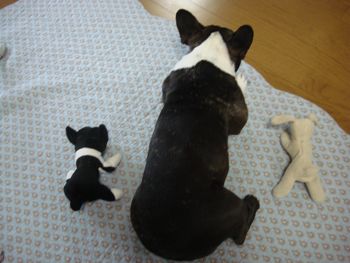
Note : In Japan, it is pretty common to sleep with your child in the same room when they are small.
So when three people (usually parents and a child) lined up (like a letter of 川 ( = kawa) we use this expression.
*寝違える = nechigaeru = to sprained one’s neck while sleeping
*うたた寝 = utatane = dozing
*ゴロ寝 = goro ne = to lie dozing in a lazy way (Usually without changing one’s clothes.)
Ex. 父は日曜日はいつもパジャマのままでゴロ寝をしている。
= Chichi wa nichiyoubi wa itsumo pajamama no mamade gorone wo shiteiru.
= My father always lies dozing (on the floor) in pajamas at home on Sundays.
*雑魚寝 = zakone = this describes many people sleep in a huddle, to sleep crowded together in the same room.
*寝不足 = nebusoku = lack of sleep
Ex. 今日は寝不足だ。
= Kyou wa nebusoku da.
= I haven’t slept enough today.
********************************************
🔹 眠る = ねむる= nemuru
1) to fall asleep, to sleep
*最近よく眠れない。
= Saikin yoku nemurenai
= I haven’t been sleeping well lately
*眠りが浅い
= nemuri ga asai
= shallow sleep
*眠りが深い
= nemuri ga fukai
= deep sleep
*眠りから覚める
= nemuri kara sameru
= to be awake from one’s sleep
*眠りにつく
= nemuri ni tsuku
= to fall asleep
*深い眠り
= fukai nemuri
= a deep sleep
Ex. お姫様は深い眠りから覚めました。
= Ohimesama wa fukai nemuri kara samemashita.
= The princess awoke from a deep sleep.
The fairy tale that we all know is,
*眠れる森の美女
= Nemureru mori no bijo
= ”Sleeping Beauty”
2) 眠る ( = nemuru) also describe something is in the condition of not being used for a long time.
Ex, うちに使わずに眠っているピアノが一台ある。
= Uchi ni tsukawazu ni nemutte iru piano ga ichidai aru.
= In my house we have a piano that nobody has played for a long time.
3) 眠る ( = nemuru) is also a metaphor for passing away.
*永遠の眠りにつく
= eien no nemuri ni tsuku
= to sleep forever, to die
or
*永眠する
= eimin suru
4) Other expressions with 眠
*眠くなる
= nemuku naru
= to get sleepier, to feel sleepy
Ex. 眠くなってきた。
= nemutaku natte kita
= I’m getting sleepier
*眠たい
= nemutai
= to be sleepy
*眠い
= nemui
=to be sleepy
*居眠り
= inemuri
= a catnap, a snooze

*仮眠する
= kamin
= catnap,short sleep, to catch 40 winks
=to catch a little sleep/to catch some z’s
*快眠
= kaimin
= a good sleep
*不眠症
= fuminshou
= insomnia
Ex. 私、最近不眠症なんだ。
= Watashi saikin fuminshou nanda
= I have been suffering from insomnia, you know.
*眠気 = nemuke = sleepiness
Ex. 眠気覚ましにコーヒーを飲む
= nemuke zamashi ni kouhii wo nomu
= to have a cup of coffee to keep oneself awake
*睡眠
= suimin
= to sleep
* 睡眠時間が短い
= suimin jikan ga mijikai
= to have a short sleep time, to not have much time to sleep
*睡眠をとる
= suimin wo toru
= to have a sleep
*睡眠不足
= suimin busoku
= a lack of sleep
*ノンレム睡眠
= non remu suimin
= non-REM sleep (non-rapid eye movement sleep)
*睡眠時間
= suimin jikan
= sleeping hours
*睡眠薬
= suimin yaku
= sleeping tablets, pills
*睡魔が襲う
= suima ga osou
= to get sleepy suddenly
Ex. 急に睡魔が襲ってきた。
= Kyuuni suima ga osotte kita.
= to suddenly feel sleepy
*睡魔と戦う
= suima to tatakau
= to fight off sleep
*熟睡
= jukusui
= a dead sleep
*爆睡 (colloquial)
= bakusui
= a dead sleep
🎵Japanese is full of onomatopoetic words and there are a few words to describe how we sleep.
When you describe a baby who is sleeping well, we often use,
*すやすや
= suyasuya
Ex. すやすや眠っているね。
= Suyasuya nemutte irune.
( You can also use it for adults.)
= to be fast asleep
↓
*ぐっすり
= gusssuri
*ぐーぐー /グーグ
= guuguu
*ぐーすか (casual, comical)
= guusuka
*うとうとする
= utouto suru
= to doze off, to nod off
🔹 Other sleep related words :
*寝床
= nedoko
= bed, place to sleep
*寝具 (formal)
= shingu
= bedding
*布団
= futon
( I think “futon” has become an international word now.)
Ex. 布団を敷く
= futon wo shiku
(In many areas, they say 布団をひく= futon wo hiku)
📝Cultural note : Unlike western beds, traditionally we put back 布団 ( = futon) in the morning in the closet called 押し入れ ( = oshiire) and take them out before you sleep. Thus we can use the bedroom space during the day.
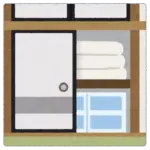
*布団をたたむ
= futon wo tatamu
= to fold futon

*敷き布団
= shiki buton
= bottom futon, mattress
*掛け布団
= kake buton
= comforter, top cover
*目覚まし時計
= mezamashi dokei
= alarm clock
*毛布
= moufu
= blanket
Ex. 毛布をかける
= moufu wo kakeru
= to cover oneself with a blanket
*枕 = makura = a pillow
When we travel, we often say
Ex. 枕が変わると眠れない。
= Makura ga kawaru to nemurenai
= I can’t sleep when I have a different pillow.
*いびきをかく
= ibiki wo kaku
= to snore
*夢をみる
= yume wo miru
= to dream
Ex. マギーの夢をみた。
= Maggie no yume wo mita
= I had a dream about Maggie.
 マギー先生より= Maggie Sensei yori = From Maggie Sensei
今、”美味しい”夢をみているから起こさないで下さい!
= Ima “oishii” yume wo mite iru kara okosanai de kudasai!
= I am having a “delicious” dream right now. Don’t wake me up!
***
Will you be my Patron?
I appreciate your support! サポートありがとう!
40 Comments
HiHi, question, is there a difference between:
目が覚める
目覚める
目を覚ます
I think the first is intransitive and the last is transitive, but what is the middle? Is it the same as the first? Thank you, sorry if this is a bit off topic.
please keep the romaji! because i have a ” photographic memory” so in my brain:
kanji clic clac + romaji clic clac = ok
kanji clic clac+ hiragana clic clac = :ù$-*=+?-)ç!è ;
after decoder:ù$-*=+?-)ç!è= romaji! ok
@gambarimasu
OK, I will keep romaji!!
If you turn nemuru on its side it looks like a bed and a sheet with a persons head touching the sheet and the body as it floats and the mountains in the back ground and left to right turning into hills and then to the winding river as if the person has returned to the earth and its nature and the physics of motion and the change from being to the condition of not being.
@Steve
Haha great imagination!
It is always fascinating to know how people see the kanji.
I thought “nemutai” meant “I want to sleep” not “sleepy”. Am I mistaken?
@Chiyo
I want to sleep = 寝たい/眠りたい = netai / nemuri tai.
マッギー 先生と 天人さん も おへんじを ありがとう ございました!!
@Courtney
どういたしまして!(天人さんが手伝ってくれてよかったですね)
すみません、まえにみすをおかした。いうことをいみ、”I don’t want to get out of bed or wake up” どのように言うのですか?
Hello Courtney
I don’t want to get out of bed or wake up ==> ベッドから起きたり、目覚めたりなんかしたくないよ!/ベッドから起るとか、目覚めるとかいやだ!
って言ってもOKだと思います。
ヨロシク。
@Courtney & 天人
Again, thank you, 天人 for helping our friend!
Other possibilities.
ベッドから出たくないし目を覚ますのもいやだ。
ベッドから出たくないし起きたくもない。
マッギー先生、こんばんは! あの。。。”I don’t want to get out of bed or wake up”ってどうゆういみですか? そのための言葉はありますか?
Hi:D
I’m a big anime fan. An from watching sub and dubbed anime a lot, I can pick up words :) that’s how I know some greetings. Etc..
I really liked your lessons.
Do you do voice lessons.. or anything else besides writing them down?
I was just wondering if you did other stuff besides, blogs, writing the words down etc. I pick up by hearing more then seeing. That’s why I’m curious to know :D
@ChelseyBear
Hello, ChelseyBear!
I do Skype lesson only for certain people but not for public at the moment.
I sometimes give listening practice on Facebook or Twitter using a movie preview or anime. Will try to post the quiz on Maggie’s Room.
Hello Maggie. How would you say “sleepy time”?
@Ryan
Hello Ryan!
Sleepy time (=time to sleep)? We say, 寝る時間=neru jikan
Hi I recently discovered your blog. It’s very informative and easy to understand but the Romaji is highly distracting. I suggest to start using Hiragana instead when explaining the pronounciation of the Kanji. Furthermore no Japanese person ever uses Romaji and it only serves as a factor to cripple early students who has yet to learn/write the kana. So please ditch the Romaji next time.
@Anonymous
このサイトにきてくれてありがとう。Anonymousさんはきっとにほんごがよくできるひとなんですね。
このへんじもためしにすべてひらがなでかいてみますね。
(にほんじんはローマじをつかわないといいますが、こういうふうにひらがなだけのぶんしょうをよむのはちょっとにがてです。)
おきもちはよくわかります。ローマじをよむのがきらいなひとはたくさんいます。きょうはほかのひとからもおなじコメントをいただきました。
ただ、しょうじき、ひらがなをくわえるのはいまのげんじょうではすこしむずかしいです。てまとじかんがいっぱいかかるからです。
いまはかんじのはいったぶんしょうとローマじのぶんしょうをいれるのでせいいっぱいです。ぜんぶできたらいいのですが….
ひとにはいろいろなべんきょうほうほうがあります。まだローマじだけしかよめないひともいっぱいこのサイトにきます。
だからいまのじてんではローマじをとるかひらがなをくわえるかをえらぶとローマじになります。ごきぼうにそえなくてごめんなさい。
でもしょうらい、じょうきゅうレベルのレッスンをつくるときにいちどローマじなしでためしてみますね。
このレッスンのかんじのぶぶんにはひらがなをいれておきました。
それでもよかったらまたいつでもこのサイトにきてくださいね。
As someone who has been learning Japanese slowly for years, thanks for using romaji so we don’t have to stress over reading hiragana all the time while just trying to learn the topic of the article.
@Mr.X
Thank you so much for your opinion. Thought about we should get rid of romaji from some lessons as a trial but we will keep it. :)
I greatly appreciate the romaji under the kanji. It helps me learn the kanji faster instead of switching between this page and many other websites to look up the meaning over and over again. Everything I need to learn these phrases is on one page. Thank you Maggie Sensei. Your website is thorough and fantastic :)
@Ari
Hello Ari,
A couple of people told me to get rid of romaji in past but I am glad I keep it.
And thank YOU for visiting this site! よろしくね!
このレッスンホント役に立つです.いつもありがとうマギー先生(^o^)/
@マリア
…と言ってくれるのが一番うれしいです\(^o^)/
マギー先生、
いいレッソンでしたね!いつも日本語を教えてくれて、ありがとうございます。m(_‘‘‘_)m
時々私は「よく寝た」言えますが、「よく眠れた」言えません
(T_T).不眠症ですからね。もし睡眠薬を飲んだら、眠れます。(笑)
じゃ、「不眠症」のことの問題があります★。
例えば:
「不眠症があります」?
「昨日の晩不眠症があるので、今朝早く起きられませんでした。」
その「不眠症があります」は正しいですか。(笑)
ポルトガル語で意味がありますが、たぶん日本語であまり使いませんね。
ありがとうございます。^^
ルナより。
@Luna
そう、Lunaは不眠症なのですね。
「不眠症」は動詞の「ある」は使わず
Ex. 私は不眠症です。
Ex. 不眠症で毎晩眠れない。
Ex. A : 「最近よく眠れないの。」- B:「不眠症じゃない?」
というふうに使います。
日常生活でよく使いますが、実は「不眠症」というのは”睡眠障害=(suimin shougai=Sleep disorder)の中の病気の名前です。
Lunaも寝る前は、ゆったりと過ごすといいですよ〜♪
i just asked my friend this question a few days ago so thanks for the detailed response!
@sven
それは偶然(ぐうぜん)!!= What a coincidence!
このレッスン、作(つく)ってよかったです!! !ochame!
Thank you for this lesson! This really helped alot because I don’t understand the difference between the 2. Hopefully I’ll use the 2 words correctly next time. =)
@Kristy
Thank you for your comment. Feel free to practice here or on Twitter! I can help you anytime!
Hey Maggie! Thanks a lot, you bestlooking and fastest Japanese-teaching Dog on the net! Until my next question ;-)
Jetta
@Jetta
Glad you checked the lesson. I hope my lesson didn’t make you feel sleepy! !nemui!
枕が変わると眠れない。<-that happens to me a lot but only for one night and then I am fine :)
そしても、私はどこでも寝れるよ。ふふ~!^~^
けど、そんなこと恥ずかしいね・・・。_。
マギー先生、ありがと~!!
お風呂に時は、寝てるかな?(笑)
色々な日本人はお風呂に寝るよ!なんか、可愛い~!
@Aki
じゃあ、Akiは枕を持って旅行に行かないとね。でもどこでも寝れるなんて幸せだね〜!
(a little correction ; お風呂に時は寝てるかな?→お風呂に入ると寝てるかな? 色々な日本人→多くの日本人 お風呂に寝るよ→お風呂で)
日本人は電車の中で寝ているか携帯で遊んでいるかどっちかです。
勉強になりました!
以下の表現もよく使われますか?
寝違える
寝ぐせがつく
うたた寝する
@Harin
久しぶりです!!
3つの表現もよく使います。後で付け足しておきますね。
Nice lesson! I like this one.. the timing was good (俺はレポートを夜更かしして書いてるから眠たいんだ(笑))
By the way, you wrote:
Ex. 最近、寝てもすぐ目が覚める
= Saikin nete mo sugu okiru
= Lately even if I go to sleep, I wake up easily
I think you meant either 最近、寝てもすぐ起きる or the romaji is wrong, or something. I just thought I’d point it out. Sorry.
@curryisyummy
Heeey! Your first comment on this site! Thank you so much for spotting the mistake. I fixed it.
もう寝ていいよ〜!
Of course! It’s not a problem. お役に立って嬉しいよ
Heh, I guess you’re right.. it is my first comment on the site. ^^